

This is the third post in our “What I Wish I Knew About Money as a Teen” series.
A single number can affect where you live, what you drive, and how much you pay for it without you realizing it. In our last post in this series, we focused on building a safety net and being intentional with your money. Building credit and managing debt (borrowing) can be overwhelming to understand, but we’re here to talk about the basics now so you can make smart decisions and hopefully eliminate unnecessary stress later.
What Is Credit?
Credit is really about trust.
When you borrow money and pay it back on time, you’re showing lenders that you’re responsible. Over time, this creates your credit history, which affects your credit score.
Good credit can help you:
- Rent an apartment
- Get a car or home loan with lower interest
- Qualify for credit cards
- Sometimes even improve job opportunities
Here’s the most important thing to know early on: You don’t need to go into debt to build good credit.
How to Build Credit (The Easy Way)
Building credit isn’t about spending more money. It’s about being consistent.
Here are a few simple ways you can start:
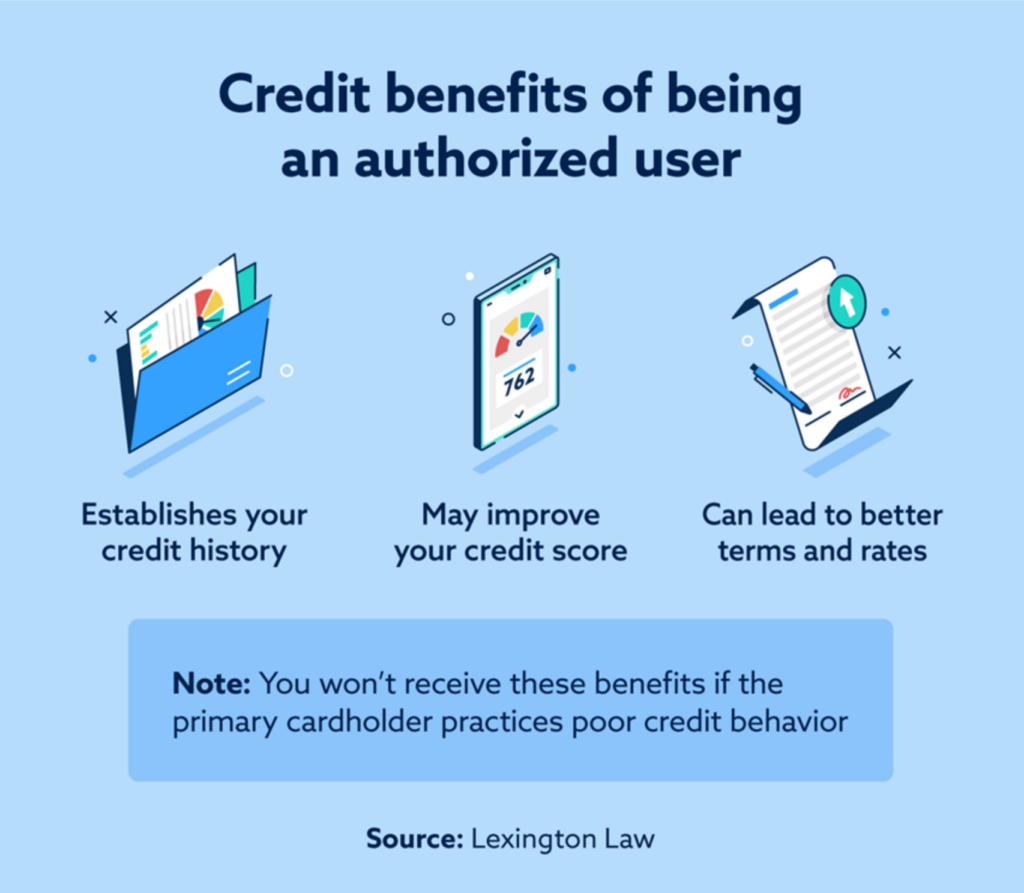
Become an Authorized User
Being added to your parent or guardian’s credit card can help you build credit early. Their good payment history will also impact your credit score, as long as payments are made on time and balances stay low.
Source: https://www.lexingtonlaw.com/blog/credit-101/authorized-user.html
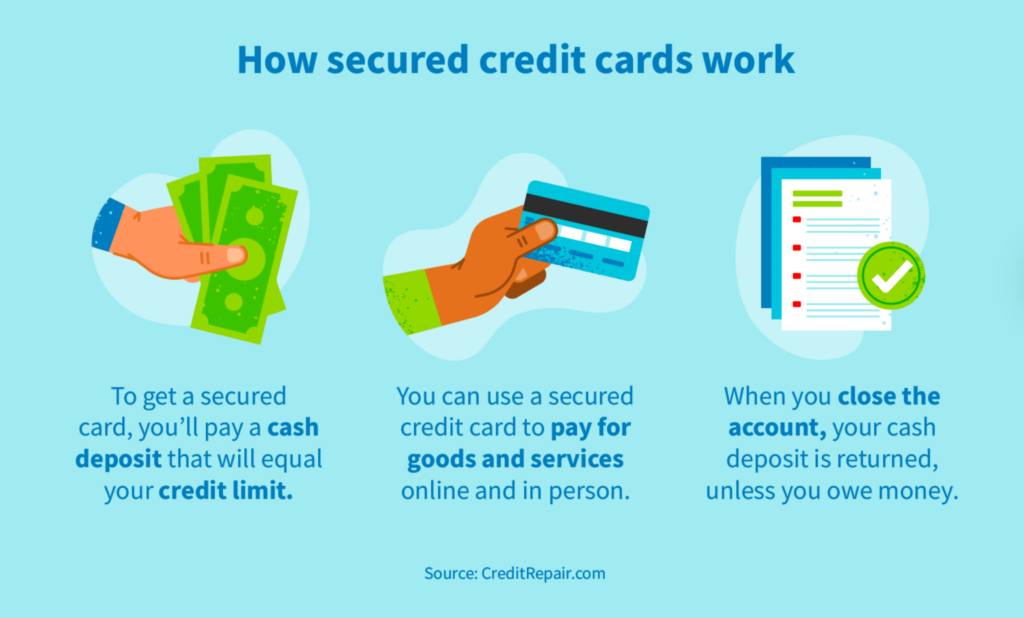
Secured Credit Card
At 18, a secured credit card is a common first step. You make a small deposit (usually $50–$500), and that amount becomes your credit limit. Use it for small purchases and pay it off in full every month to build a positive credit history.
Source: https://www.creditrepair.com/blog/credit-card/secured-vs-unsecured-card/
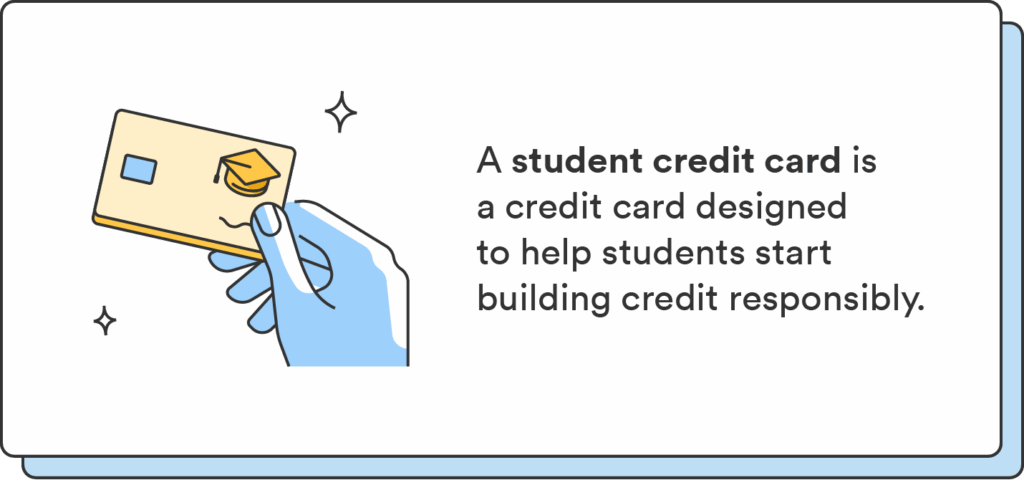
Student Credit Cards
Student credit cards are designed for teens and young adults new to credit.
To qualify, you usually need to be at least 18 and have some form of income, financial support, or aid. Your local bank or credit union may have programs to help students build their credit.
Source: https://www.chime.com/blog/how-to-get-a-credit-card-as-a-student/
Credit Habits That Matter Most
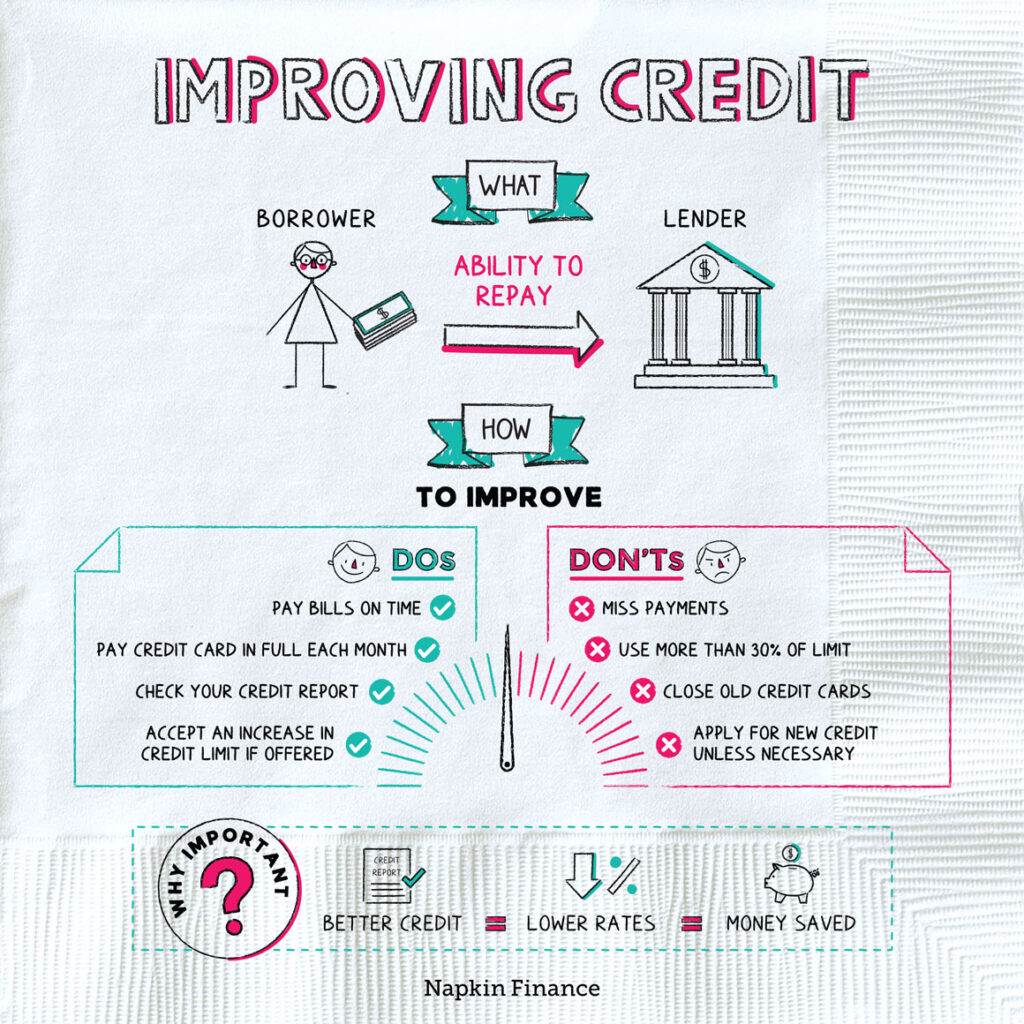
Focus on these basic habits to build a strong credit history early.
- Pay your bill on time
- Pay your credit card balance due in full each month
- Avoid opening multiple accounts at once
These habits matter more than how much you spend.
Source: https://napkinfinance.com/napkin/credit/
What Is Debt?
Debt is money you borrow that you have to pay back, usually with interest. Interest is the cost of borrowing, and it’s often lower when you have good credit.
Before taking on debt, ask yourself:
- What is this helping me do?
- What is the interest rate?
- How long will it take to pay off?
- Does this fit into my budget?
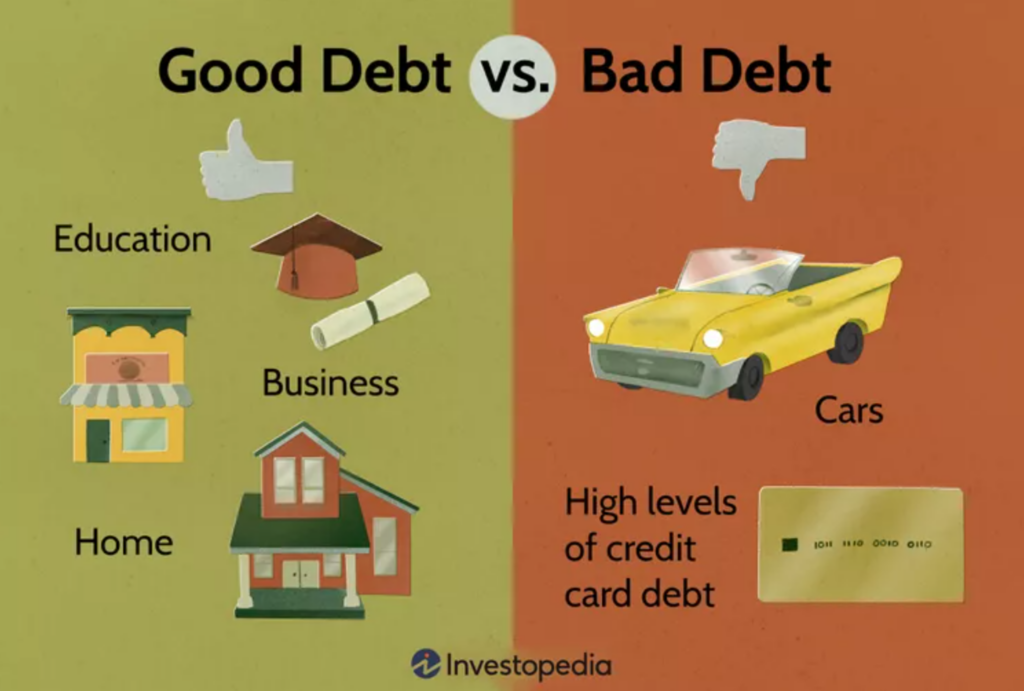
Source: https://www.investopedia.com/articles/pf/12/good-debt-bad-debt.asp
Note that with auto loans, it’s perfectly normal to take out a loan to buy a car, but it can become a problem if you can’t afford the monthly payments. It’s important that you make sure the payment fits into your budget.
Saving, budgeting, credit, and debt work as a system. Savings help you avoid unnecessary debt. Budgeting helps you plan ahead. Credit, when used carefully, helps you access more opportunities instead of limiting them.
Coming Next in the Series:
In the next post in this “What I Wish I Knew About Money as a Teen” series, we’ll talk about investing, what it is, when to start, and how to get started.